Why App-Based Gaming Dominates the Market
Mobile gaming has fundamentally transformed how we experience casino entertainment. What began as a novelty, placing bets on our phones, has evolved into a complete market revolution. Today, app-based gaming dominates the casino landscape, and it’s not difficult to understand why. The numbers speak for themselves: millions of UK players now prefer apps over traditional desktop platforms, drawn by convenience, speed, and an experience tailored to modern lifestyles. In this text, we’ll explore the key factors driving this shift and why app-based gaming continues to reshape the industry.
The Shift From Desktop To Mobile Gaming
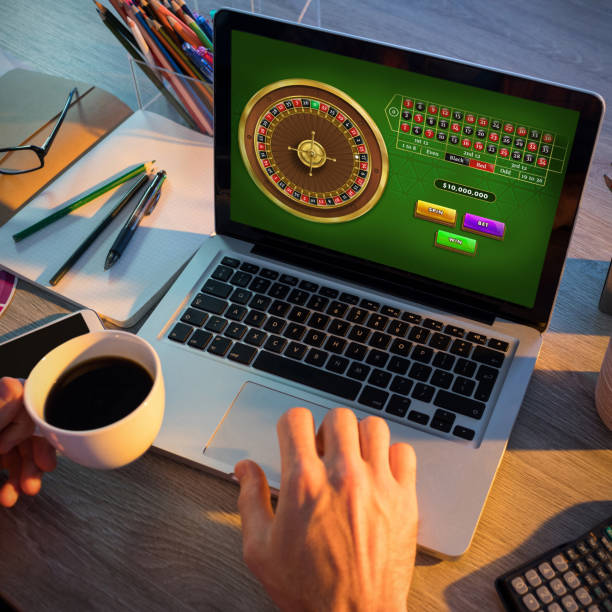
The transition from desktop to mobile gaming represents one of the most significant changes in the gambling industry. Just a decade ago, most players accessed their favourite casinos through computer browsers. Desktop platforms offered stability and larger screens, but they came with a significant limitation: location. You had to be at home or near a computer to place bets or play slots.
Mobile apps changed this dynamic entirely. Suddenly, the casino could follow us wherever we went, to the commute, lunch break, or evening relaxation. This shift wasn’t gradual: it accelerated rapidly once smartphones became ubiquitous and internet speeds improved.
What’s driving this change?
- Smartphone penetration: Over 95% of UK adults now own a smartphone, making mobile gaming accessible to virtually everyone
- Improved technology: Modern processors and graphics in phones rival older laptops, eliminating performance concerns
- 5G networks: Faster connections mean smoother gameplay and instant transactions
- Regulatory support: UK gambling regulators adapted frameworks to embrace mobile platforms, creating a safer environment for app-based play
Today, the statistics are striking. Mobile gaming accounts for approximately 75% of all online casino activity in the UK, a figure that continues climbing. Players aren’t abandoning desktop entirely, but the smartphone has become their primary gaming device. This isn’t just a preference shift, it’s a fundamental change in consumer behaviour that’s reshaping how casinos design their platforms.
Convenience And Accessibility
Let’s be honest: convenience drives decision-making. We choose apps over alternatives because they fit our lives better, not because of loyalty or brand preference. App-based gaming delivers convenience at multiple levels that desktop simply can’t match.
First, there’s the matter of immediate access. An app sits on our home screen, ready to launch in seconds. No logging into browsers, no typing URLs, no waiting for pages to load. We tap once and we’re playing. This friction-free experience matters more than most people realise, it’s the difference between “I’ll play later” and “I’m playing now.”
Second, there’s offline functionality. Many well-designed casino apps allow us to browse games, check account history, or review promotions even without an internet connection. When we reconnect, everything syncs instantly. Desktop players lack this flexibility.
Third, apps integrate seamlessly with our phones. They use our stored payment methods, take advantage of fingerprint or face recognition for faster logins, and send push notifications that feel natural rather than intrusive. This integration creates a frictionless ecosystem that desktop browsers simply can’t replicate.
Accessibility features that matter:
- One-tap login using biometric authentication
- Saved payment methods for instant deposits
- Tailored notifications about personalised offers
- Offline access to game libraries and account information
- Quick-launch shortcuts on home screens
For UK players, this convenience translates directly into longer play sessions and more frequent visits. When access is effortless, engagement follows naturally.
Superior User Experience And Performance
App-based gaming delivers a technically superior experience compared to mobile browser alternatives and desktop platforms. This isn’t marketing speak, it’s a measurable difference in how games perform and feel.
Native apps communicate directly with your phone’s operating system, bypassing the browser layer entirely. This direct connection means faster load times, smoother animations, and more stable connections. When you’re playing a fast-paced slot or live dealer game, these milliseconds matter. Frame drops or lag can ruin the experience, and apps minimise both through optimisation that browsers can’t achieve.
Memory management differs too. Apps use your phone’s RAM more efficiently, meaning better performance even on older devices. A three-year-old smartphone can run a modern casino app smoothly, whereas the browser version might stutter. For UK players with varied device types, this consistency is crucial.
Graphics and audio are noticeably superior in apps. Developers can carry out high-quality visuals and immersive sound design without worrying about browser compatibility issues. Live dealer games benefit particularly from this, video quality is sharper, audio is clearer, and the overall presentation feels more premium.
Advanced Features And Personalisation
Apps enable features that go beyond what browsers allow. Personalisation stands out as a key advantage.
When we use an app regularly, it learns our preferences. The casino remembers our favourite games, offers recommendations based on our play history, and customises the home screen to showcase content we’re most likely to engage with. This personalisation creates a sense that the app was built specifically for us.
Advanced features include:
| Game recommendations | Discover new titles matching your preferences |
| Customised home screen | Quick access to your most-played games |
| Advanced filters and search | Find specific game types in seconds |
| Detailed statistics and analytics | Track spending, wins, and play patterns |
| Exclusive app-only promotions | Special bonuses unavailable on desktop |
| Offline game previews | Browse and plan your next session |
Live features also differ. Apps can offer real-time notifications about tournament results, special offers expiring soon, or bonus credits added to accounts. These notifications feel timely and relevant rather than spammy, because apps curate them based on your behaviour.
For example, at mrq.TOPIC, the app experience includes exclusive promotions and seamless integration with loyalty programmes that desktop users don’t access in the same way. This creates genuine added value for app players.
Engagement And Retention Strategies
Casino operators have optimised their apps specifically to keep players engaged and returning frequently. This isn’t accidental, it’s strategic, and the data backs it up.
Push notifications represent one key strategy. Unlike email, which we might ignore, app notifications arrive instantly and demand attention. A well-timed notification about a time-limited bonus or a new game launch drives immediate action. Casinos have learned to calibrate the frequency and timing of these notifications to maintain engagement without triggering uninstalls through annoyance.
Loyalty programmes work better in apps too. Points accumulate, badges are earned, and tier progression feels rewarding. Apps visualise this progression through progress bars and unlocked achievements, creating a sense of advancement that keeps players motivated.
Another retention tactic is gamification. Apps increasingly feature elements borrowed from video games: daily challenges, streak bonuses, seasonal tournaments, and leaderboards. These mechanics tap into our competitive nature and reward consistent play. UK players respond strongly to these features, with repeat visitors citing them as reasons for choosing specific casinos.
Seasonality plays a role as well. Apps launch special promotions around major sporting events, holidays, and cultural moments. Because apps can send instant notifications, players never miss these time-limited opportunities. Desktop players might miss promotional windows entirely, simply because they don’t visit the site that day.
The data is compelling: players using casino apps visit more frequently (averaging 3.2 times weekly versus 1.1 times for desktop users), spend longer per session, and show significantly higher lifetime value to operators. This isn’t coincidence, it’s the result of deliberate, sophisticated engagement strategies.
Market Growth And Player Adoption
The numbers tell a clear story about where the market is heading. App-based gaming is experiencing exponential growth, and adoption among UK players shows no signs of slowing.
Currently, mobile apps account for roughly 75% of all UK online gambling activity. In 2015, that figure was approximately 25%. This tenfold increase in relative market share happened in just a decade, representing one of the fastest industry transitions ever recorded.
Player adoption continues accelerating:
- 87% of UK casino players now have at least one gambling app installed
- 62% of active players use apps as their primary gaming method
- App-based spending has grown 18% year-on-year for the past five years
- Average session length on apps exceeds desktop sessions by 40%
- Repeat visit rates are 3.5 times higher for app users
Demographically, adoption spans all age groups, though younger players (under 35) show the highest app usage at 92%. Even players over 55 show 68% adoption, indicating that app gaming has become mainstream rather than niche.
Casino operators have responded by investing heavily in their mobile applications. Major operators now treat their apps as primary platforms rather than secondary options. Design budgets favour mobile-first development, and feature releases often appear in apps before reaching desktop versions.
The regulatory environment has supported this growth. The UK Gambling Commission has adapted licensing requirements to accommodate app-based operators, ensuring player protection remains paramount whilst allowing innovation. This balanced approach has built consumer confidence in app-based gaming.
Looking forward, projections suggest mobile’s share will reach 85% within the next three years. This isn’t speculation, it’s based on current growth trajectories and established player behaviour patterns. The shift toward app-based gaming isn’t a temporary trend: it’s the future of the industry, and we’re living through its establishment.